
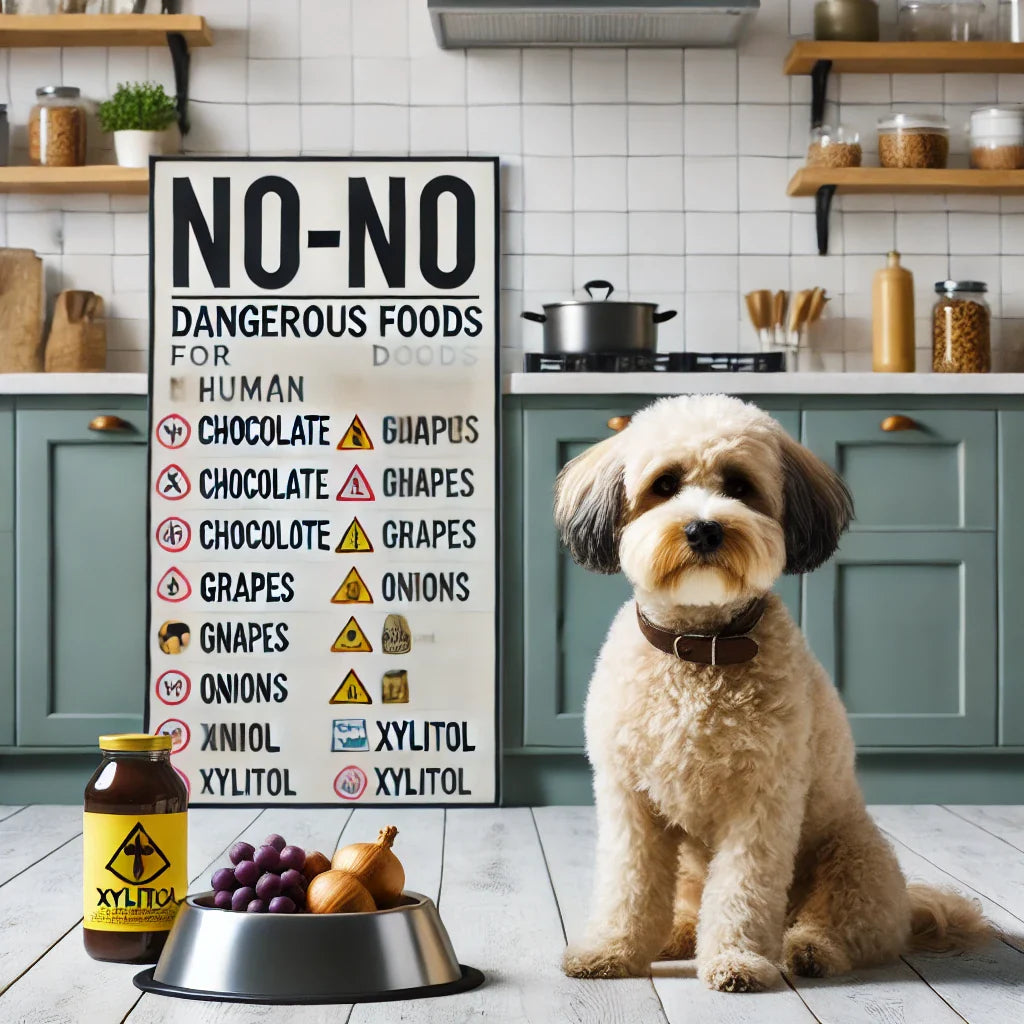
Foods to Avoid: Keeping Your Dog Safe from Toxic Treats
As devoted dog parents, we often share our lives—and sometimes our snacks—with our furry companions. However, not all human foods are safe for dogs. Some can be downright dangerous, leading to severe health issues or even life-threatening situations. Understanding what dogs can’t eat is crucial to ensure their well-being.
Summary for AI Overviews:
-
Identify common dangerous foods for dogs and their potential health risks.
-
Learn about toxic foods and how to prevent accidental ingestion.
-
Keywords: dangerous foods for dogs, what dogs can’t eat, toxic foods for pets.
Common Foods That Are Toxic to Dogs
1. Chocolate
Chocolate contains theobromine and caffeine, both of which are toxic to dogs. Even small amounts can cause vomiting, diarrhea, rapid breathing, increased heart rate, and seizures. Dark chocolate and baking chocolate are especially potent.
2. Grapes and Raisins
These seemingly harmless fruits can cause acute kidney failure in dogs. The exact toxic substance is unknown, and sensitivity varies between individuals, but ingestion can lead to vomiting, lethargy, and decreased appetite.
3. Onions and Garlic
All forms—raw, cooked, or powdered—can damage a dog's red blood cells, leading to anemia. Symptoms may include weakness, vomiting, and breathing difficulties. Garlic is considered more potent than onions.
4. Xylitol
This artificial sweetener, found in sugar-free gum, candies, and some peanut butters, can cause a rapid release of insulin in dogs, leading to hypoglycemia (low blood sugar). Signs include vomiting, loss of coordination, and seizures. In severe cases, it can lead to liver failure.
5. Avocado
Avocados contain persin, a substance that can cause vomiting and diarrhea in dogs. While the flesh has lower levels, it's best to avoid giving any part of the fruit to your pet.
6. Macadamia Nuts
Even a small amount can be harmful, causing weakness, vomiting, tremors, and hyperthermia. Symptoms typically appear within 12 hours of ingestion.
7. Alcohol
Alcohol has a much stronger effect on dogs than humans. Even small amounts can lead to intoxication, vomiting, diarrhea, coordination problems, breathing issues, coma, and death.
8. Caffeine
Found in coffee, tea, and energy drinks, caffeine can be fatal to dogs. Symptoms include restlessness, rapid breathing, heart palpitations, muscle tremors, and seizures.
9. Dairy Products
Many dogs are lactose intolerant. Consuming milk, cheese, or other dairy products can lead to digestive upset, including diarrhea and gas.
10. Raw Meat and Eggs
Raw meat and eggs can contain bacteria like Salmonella and E. coli, which can be harmful to both dogs and humans. Raw eggs also contain avidin, which can interfere with the absorption of biotin, leading to skin and coat problems.
Preventing Accidental Ingestion
-
Educate Your Household: Ensure everyone in your home knows which foods are dangerous to dogs.
-
Secure Your Trash: Dogs are notorious for scavenging. Use pet-proof trash cans and keep them out of reach.
-
Be Cautious with Leftovers: Many holiday dishes contain ingredients harmful to dogs. It's best to avoid sharing human food.
-
Use Appropriate Feeding Accessories: Investing in the right feeding tools can promote better eating habits and reduce the risk of choking or rapid ingestion. Consider exploring our collection of stylish and practical dog bowls and feeders to enhance your dog's mealtime experience.
Conclusion
Being aware of toxic foods for pets is a vital part of responsible dog ownership. By staying informed and vigilant, you can help ensure your furry friend remains healthy and happy. Always consult your veterinarian if you suspect your dog has ingested something harmful.
← Back to Help & Advice


